
The Silent Disease That May Be Shrinking Your Height

Osteoporosis is often called a “silent” disease because bone loss typically occurs without noticeable symptoms in the early stages. Many people may not realize they have osteoporosis until they experience a fracture.
However, there are still warning signs and risk factors that should not be ignored.
One warning sign is loss of height.
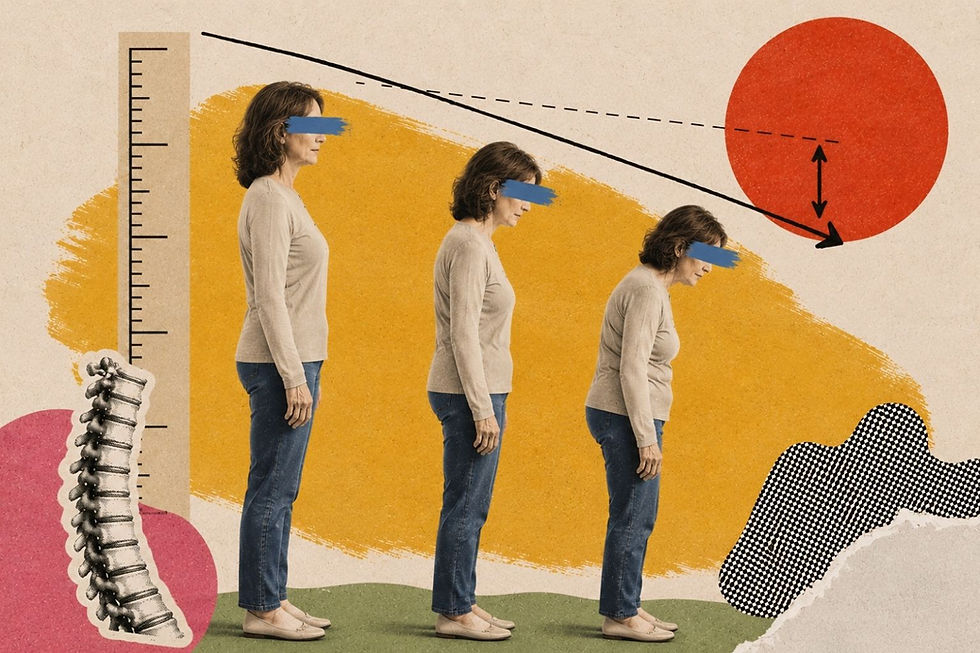
Beginning around age 40, many adults gradually lose some height as part of the natural aging process.
But losing at least 1.5 inches (3.8 centimeters) in height may be linked to spinal compression fractures, for which osteoporosis is one of the leading causes.
Weakened bones can increase the risk of fractures, falls, pain, reduced mobility, and other challenges that can affect independence and quality of life.
Fortunately, many of the same steps used to help prevent or manage osteoporosis may also help reduce excessive height loss associated with weakened bones and spinal compression fractures.
1. Eat a Bone-Friendly Diet
Nutrition plays an important role in maintaining strong bones and reducing the risk of osteoporosis.
Protein is especially important because it helps support both muscle and bone health.
Stanford recommends consuming about 1.2 to 1.6 grams of protein per kilogram of body weight per day (roughly 0.54 to 0.72 grams per pound). For a 165-pound adult, that translates to approximately 90 to 120 grams of protein daily.
As we age, the body becomes less efficient at using protein, a process known as anabolic resistance. Because of this, adults over 50 may benefit from consuming around 30 to 35 grams of protein per meal, especially within two hours after strength or resistance training to help support muscle growth and bone health.
Calcium is also essential for maintaining bone strength. Most adults ages 19 to 50 need about 1,000 mg of calcium per day, while adults over age 51 may need 1,000 to 1,200 mg daily according to Mayo Clinic.
Vitamin D also plays a role in bone health, but supplementation needs can vary. The 2024 Endocrine Society guidelines state that healthy adults under age 75 may not need vitamin D supplements, so it is important to speak with a healthcare provider before starting supplements.
2. Get Tested
Bone density testing can help determine whether bones are healthy or if osteoporosis or bone loss may already be developing.
These tests may also help healthcare providers determine whether dietary changes, exercise, calcium, vitamin D, medications, or other treatments may be beneficial.
Early detection is important because osteoporosis is often easier to manage before fractures occur.
3. Stay Active With Weight-Bearing Exercise
Exercises that make the body work against gravity can help improve strength, balance, and bone density without placing excessive stress on the bones.
Activities such as walking, yoga, Pilates, and tai chi may help support bone health while also reducing fall risk.
The International Osteoporosis Foundation recommends performing 30 to 40 minutes of weight-bearing aerobic exercise and muscle-strengthening activities three to four times per week.
Examples include walking, dancing, running, sports, and resistance training.
4. Avoid Smoking and Limit Alcohol Consumption
Smoking and excessive alcohol consumption can negatively affect bone health. Experts note that nicotine may impair bone healing and remodeling, potentially contributing to weaker and more brittle bones over time. Excessive alcohol use may also interfere with bone formation and increase osteoporosis risk.


Comments